
By now I was already hoping that once we move to the next accommodation, breakfast might finally change — because at this point it was, once again, hamonada with yellow cheese.
Today we decided to be proper tourists. We started with a boxing competition just around the corner — boxing being a huge part of Cuban culture. We bought tickets that were simply ridiculously cheap. Not “the cheapest option available”, just the kind of price that makes you wonder how it’s even possible — I don’t think I’ve ever paid so little to attend a sporting event. We took our seats as probably the only stark-white people there. Cubans were visibly excited and surprised that we’d joined.
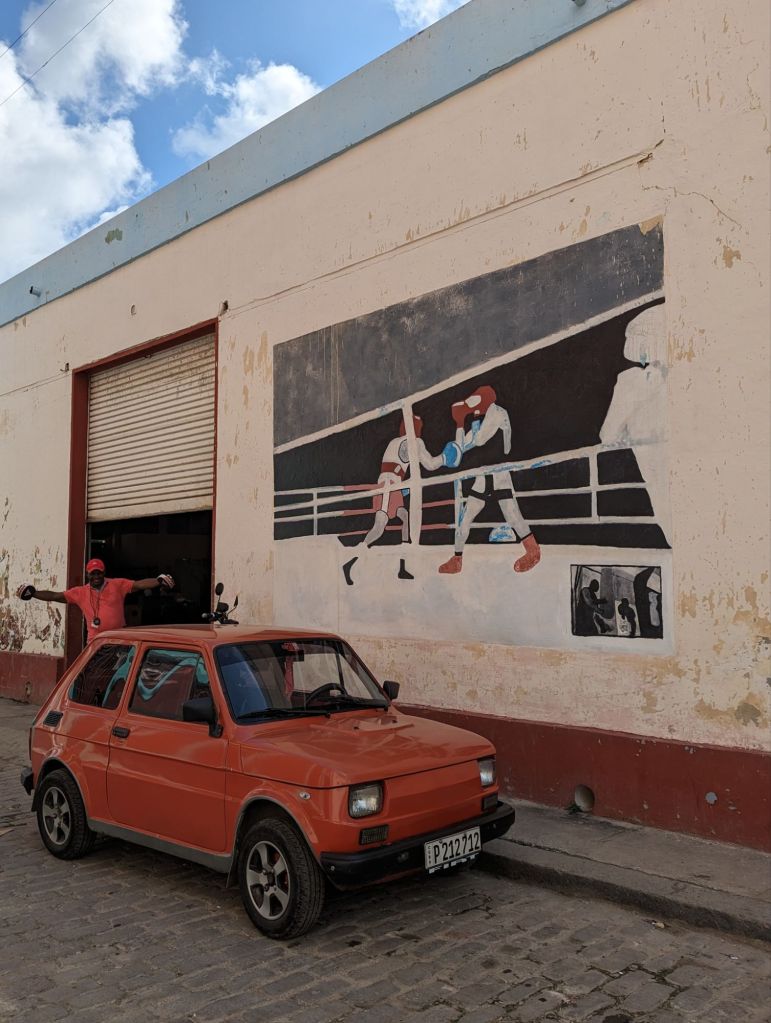
It was a true family event: toddlers, parents, grandparents — everyone present. We watched a few fights, changed seats for a different perspective, and once satisfied with our newly acquired boxing expertise, moved on.
Next stop: Almacenes San José Mercado Artesanal. Yes, it’s full of the stereotypical paintings — women with cigars, vintage cars cruising Havana streets — but upstairs there are a few actual artists, just as our guide from yesterday promised. It’s also where you can get a SIM card from ETECSA, Cuba’s only mobile operator.
We were changing accommodation the following day and didn’t know whether we’d be allowed to keep the SIM card that had been given to us by our landlord, so we needed our own. There were only two people ahead of us in the queue — but the ladies behind the counter were in absolutely no rush. Eventually, though, it got done, and the SIM was installed for us, which was genuinely helpful. Otherwise I would’ve had to ask our host’s daughter to sort it out.
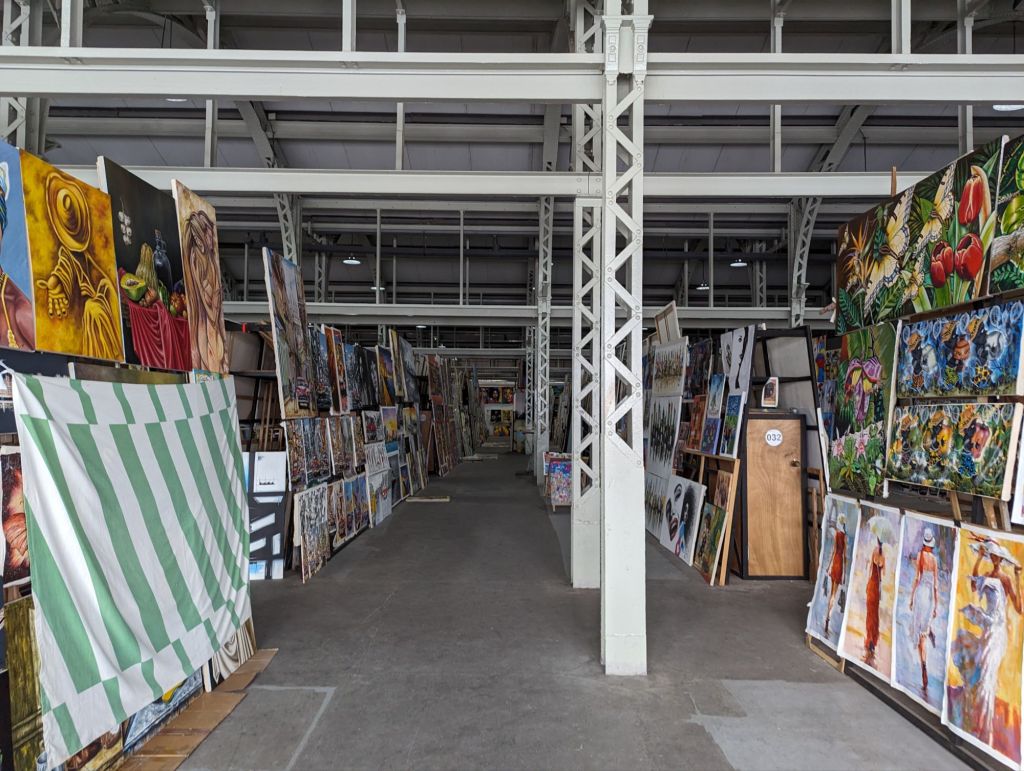
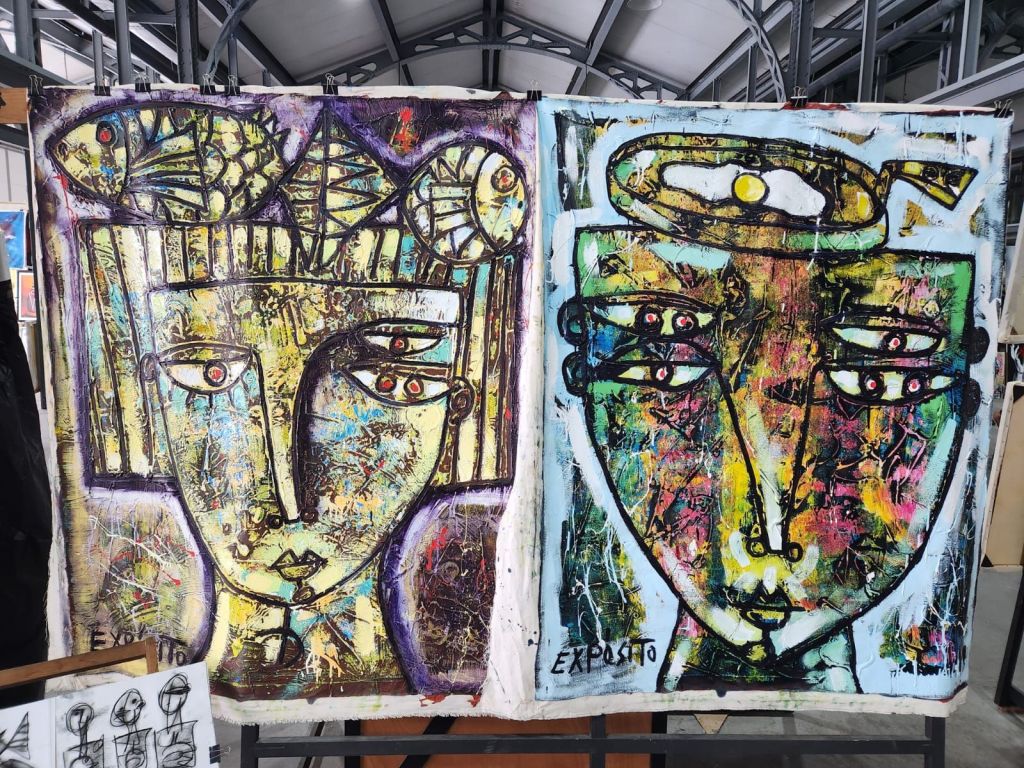
After about an hour we finally made it upstairs to look at some artwork, while simultaneously being enthusiastically harassed into buying pretty much anything. Still, we did find some genuinely interesting pieces. The artists are well prepared for tourists: they use paint that allows the canvas to be folded into a suitcase, and — crucially — they accept PayPal. We chose two paintings with the idea that we’d decide which one to take home later in the trip.
Next on the agenda was a quick lunch at our newly discovered kebab place, followed by a ride in a convertible. Is it kitsch? Absolutely. Does everyone do it? Pretty much.
But we figured we might as well use it as a taxi and asked the driver to take us to John Lennon Park.
Probably the most random park name in Cuba. Considering that listening to The Beatles was once forbidden as imperialist propaganda, it’s quite a twist. Later, Castro decided that because Lennon was anti-war, anti-capitalist and critical of the USA, he could be reframed as a revolutionary symbol — and suddenly The Beatles were allowed. Hence: a park and a sculpture of John Lennon. Apparently his glasses are constantly being stolen.

The park itself is very communist in style, not Western European at all — functional, austere — but still full of locals enjoying a bit of greenery.
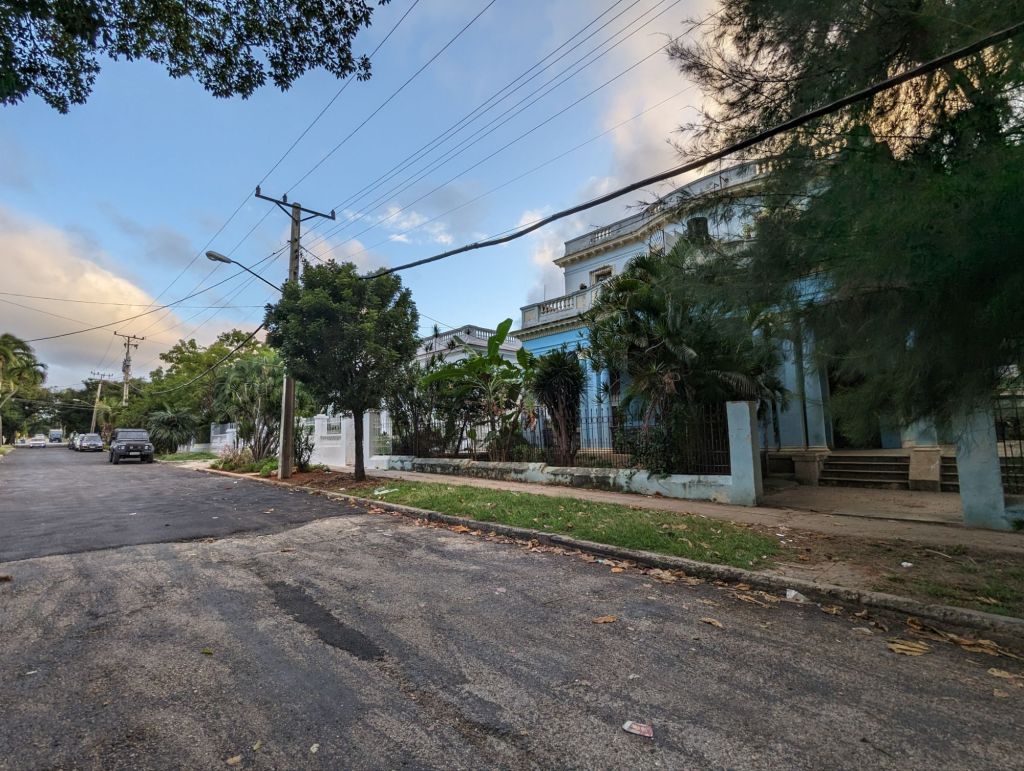
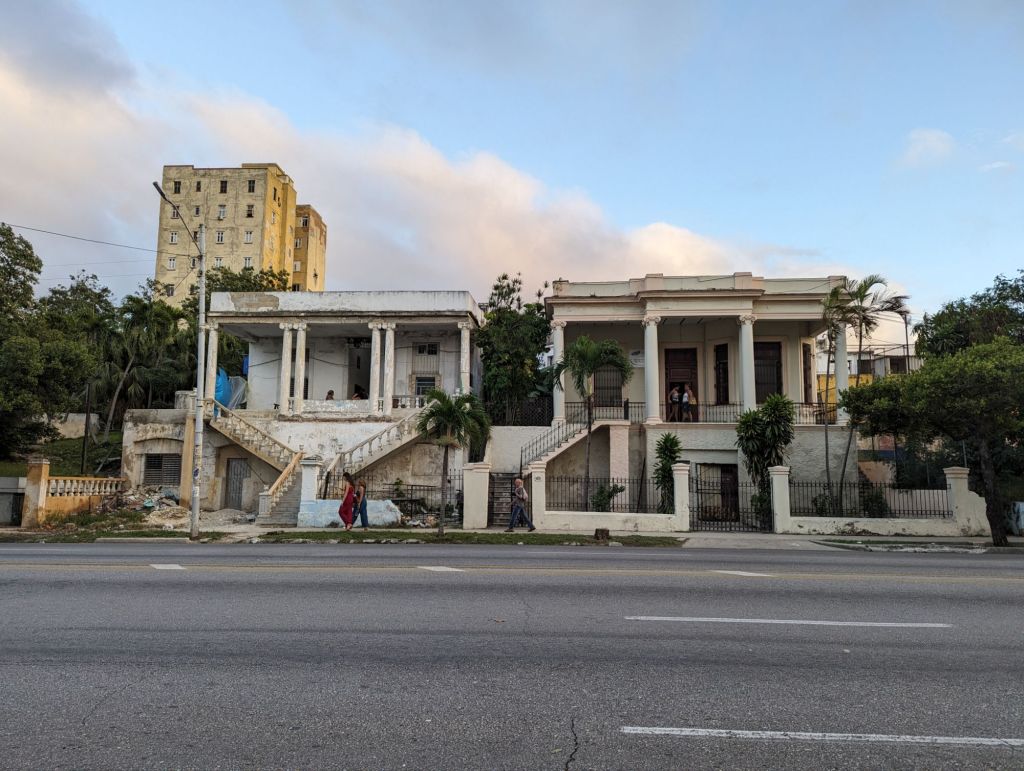
From there we walked back toward the city centre. Havana has so many faces. Streets where half is almost rubble and the other half freshly resurfaced with pristine pavements, fences and spotless houses. So many glorious buildings falling into disrepair that it genuinely hurts the eyes — colonial, art deco, sometimes two nearly identical buildings side by side: one beautifully restored, the other barely standing.
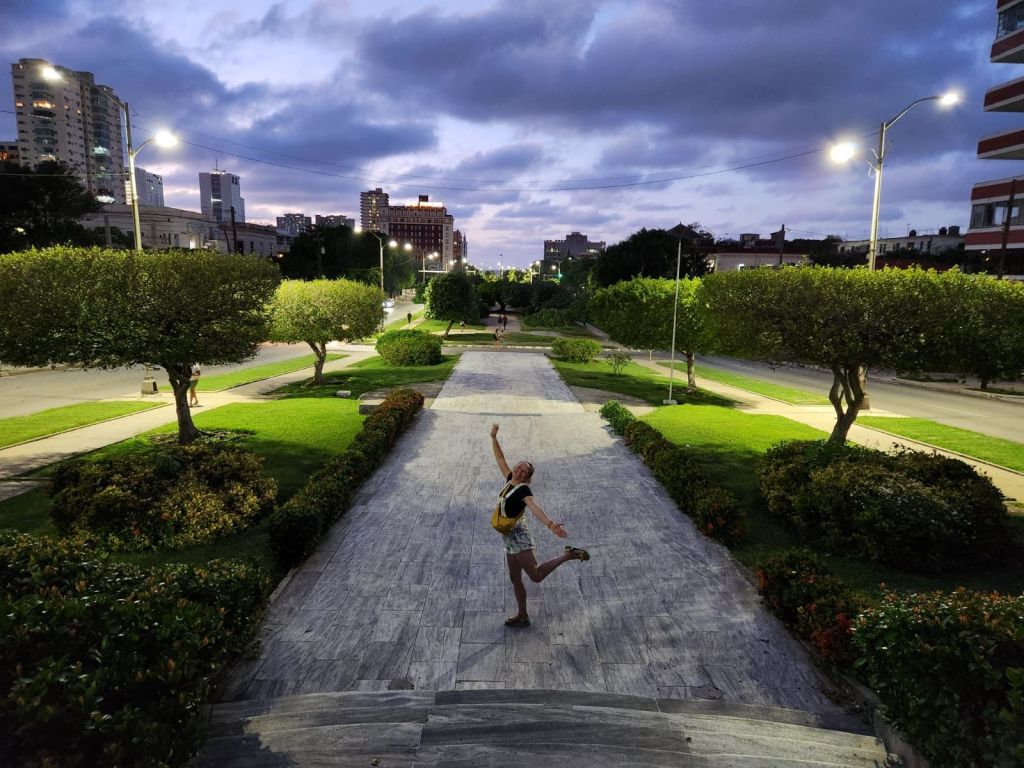
We eventually reached Av. de los Presidentes and the statue of former president José Miguel Gómez. Interestingly, after the revolution Cuba never demolished statues of pre-revolutionary presidents — they’re kept as a reminder of everything rejected in 1959. The avenue itself is wide and park-like, clearly designed for parades, and surprisingly pleasant for a walk. Vedado lies to the east — calm, green, home to embassies and government officials, with far less traffic. We walked all the way to sunset, surrounded by sculptures, palm trees and greenery — a welcome break from the intensity of Old Havana.
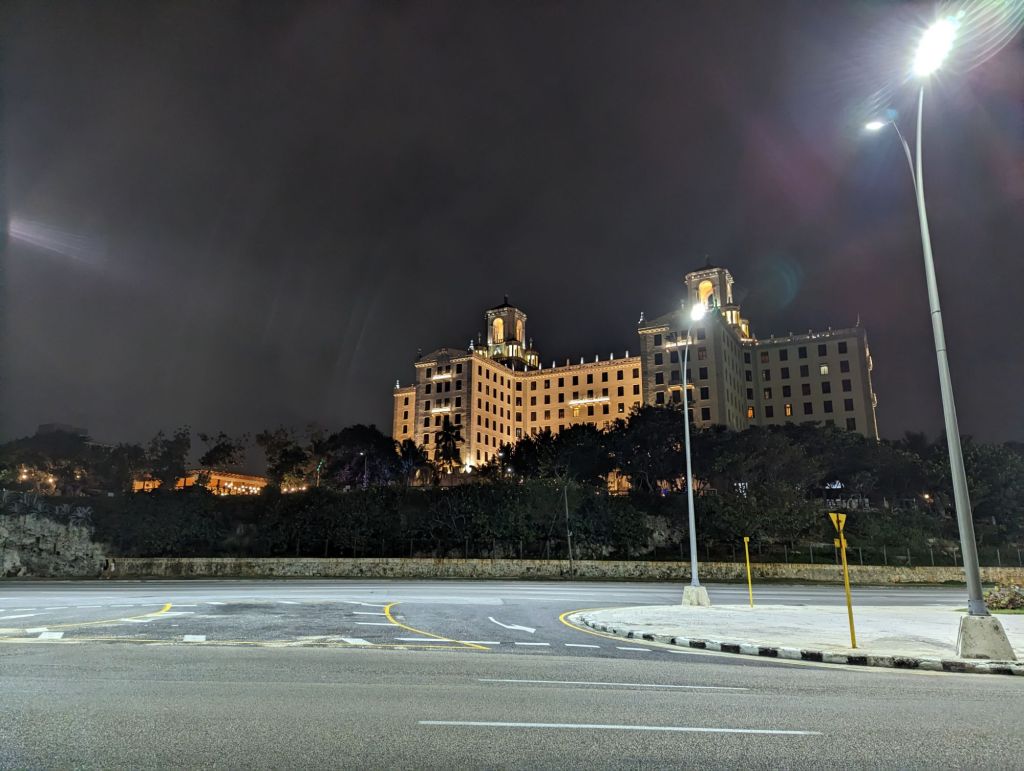
Once we reached the coastal boulevard, there it was: Hotel Nacional de Cuba. Built by Americans in the 1930s, complete with a casino, it was the symbol of American Havana. Marlon Brando, Frank Sinatra — mafia, business and fame all mixed here. That lasted until the Battle of Hotel Nacional in 1957, one of the first major confrontations against Batista. Later, bunkers were built beneath the hotel.
Today it’s still hugely important: official meetings with foreign ambassadors and dignitaries take place here. The décor hasn’t changed since the 1930s — a true time capsule. The original spirit is very much alive.
We stopped in for a cocktail and, on the way back, stumbled upon a Dancing with the Stars competition right in front of Hotel Inglaterra. It was being recorded live — splendor, cameras, foreign dancers — all of it felt surreal, almost grotesque against the backdrop of Havana.
 Refried Neurons
Leave a comment