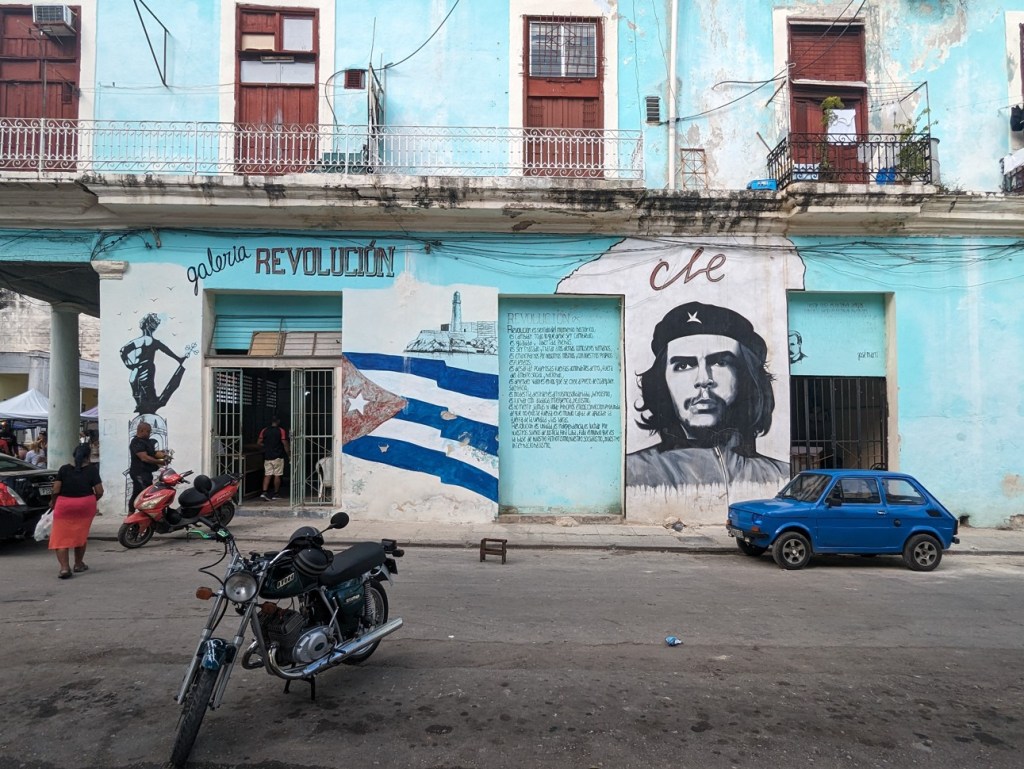
Good morning Havana!
We had a great day planned today, and I’d been looking forward to the afternoon for ages. We’d booked a tour — and although I’m usually not a big fan of organized tours, sometimes you stumble upon a real gem. This one seemed exactly that. I found it on Airbnb while we were still in Patagonia, and it sounded promising from the start.
Breakfast was the same as the day before — no surprises there. I honestly believe they served us everything they had available, which made it all the more appreciated. We also decided to stay in Havana for one more day before heading to the Bay of Pigs. That meant we needed to book another night’s accommodation, and that’s when the trouble began.
Booking.com wouldn’t show any properties, and although Airbnb did, for some mysterious reason we couldn’t complete the booking. In a small panic, I called my sister in Poland and asked her to book something for us. She managed — bless her! Yes, we could have simply arrived at the Bay of Pigs and found a place in five minutes, but we already knew by day one that we hadn’t brought enough cash. Paying online was our only way to keep things under control.
Twenty minutes later, my brother-in-law called and told me to install a VPN. Aha! It worked. Because Cuba is under the U.S. embargo, any website with American capital is blocked there — unless you use a VPN and switch your IP. Which, of course, we happily did… to the USA! Problem solved, accommodation booked, and we were ready for the day.
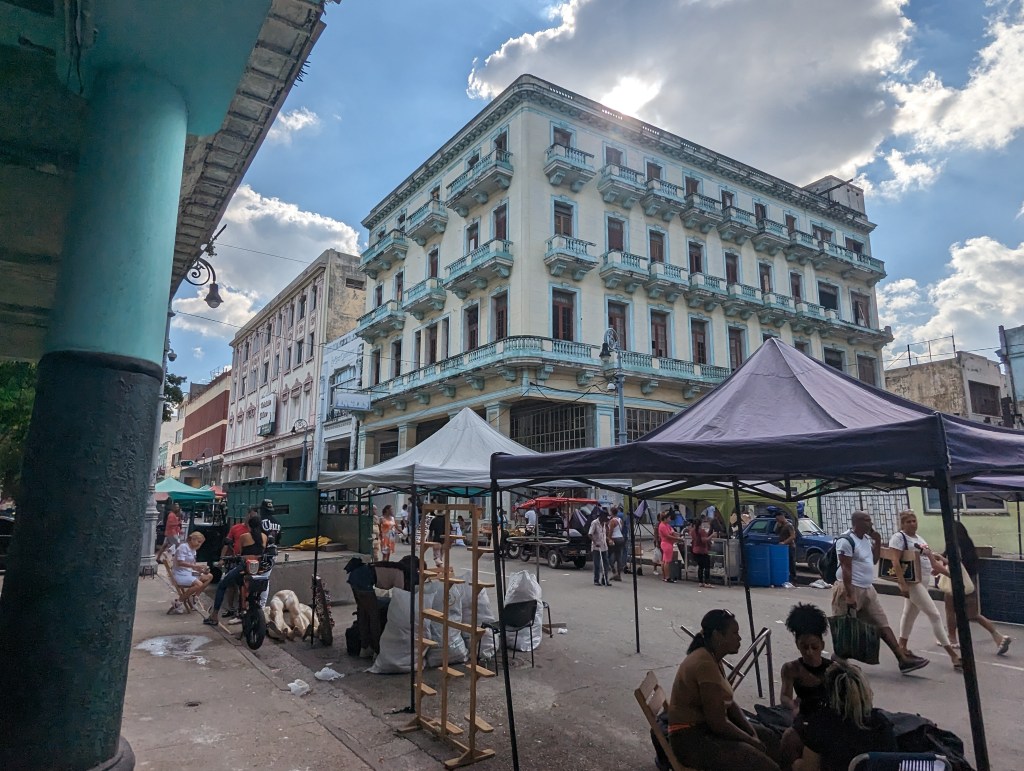
Our morning plan was simple: wander through the non-touristy parts of the city and get a feel for local life. Looking back now, that decision sounds slightly naïve — Cuba is poor. Very poor.
Yes, there are vintage cars, but only those used for tourists are properly restored. The rest are falling apart, quite often Soviet Union made. There’s a clear Chinese influence — communist camaraderie and all that — so if you see a non-vintage car, it’s likely Chinese. The only exceptions are brand-new, luxury SUVs — the kind driven by government officials or ambassadors.
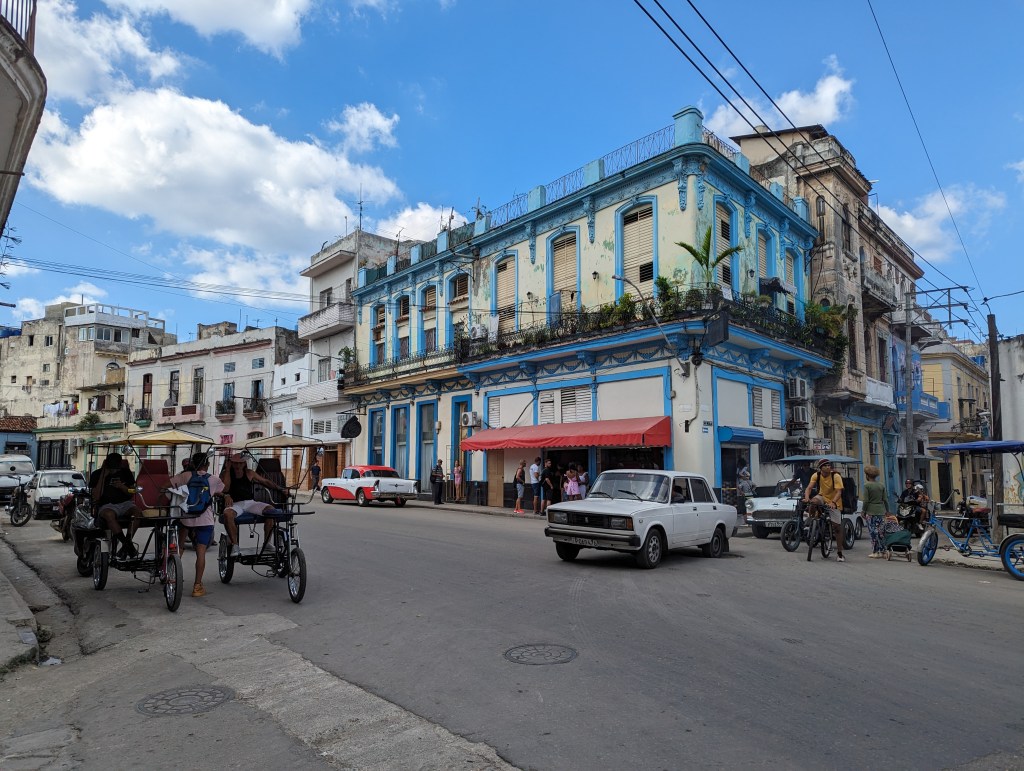
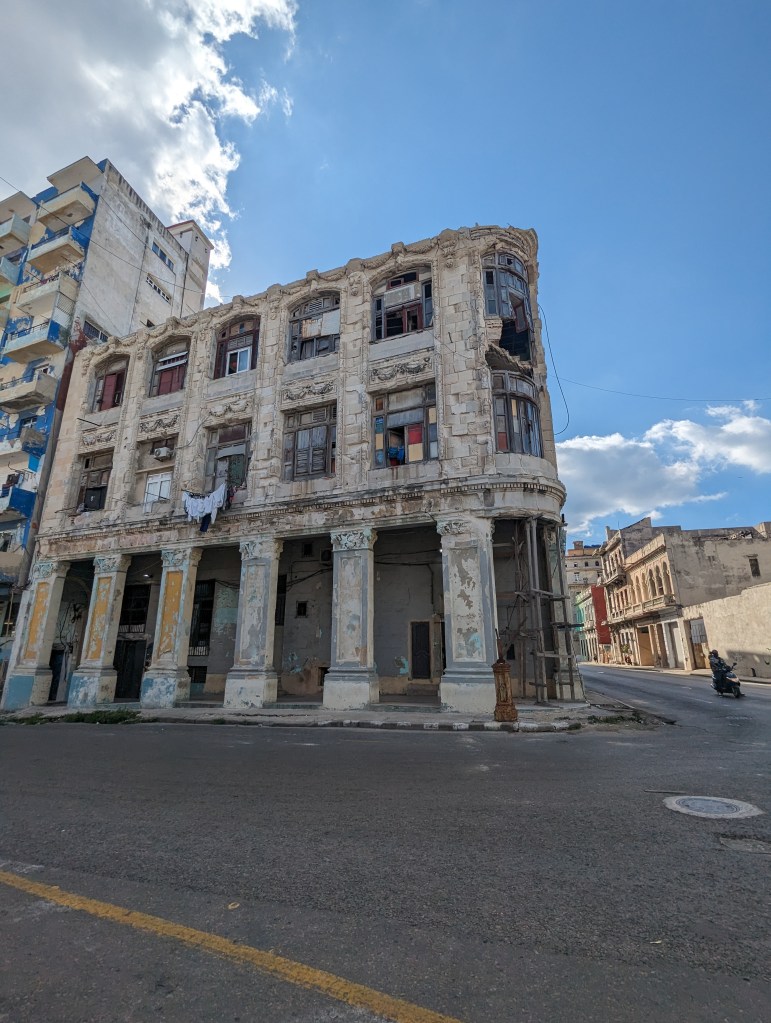
Everyone else gets around on rickshaws or bicycles. Buildings outside the UNESCO zone are literally collapsing, yet people still live inside them. It’s not unusual to see walls standing with no roof, a tin shack inside, and a few families making it their home. Streets and pavements haven’t been repaired in decades. Shops are empty — imagine the shelves during COVID. Piles of rubbish here and there, and people — painfully thin — sitting quietly on kerbs. There isn’t much music or dancing anywhere, not like you’d expect from Cuba’s postcard image.
After wandering for hours, through we were starving. I can’t recall who told us about it, but we downloaded an app that shows small local eateries with reviews and rough prices. Thanks to that, we found a little kebab place packed with locals. Portions were huge and incredibly cheap — I think we paid about one dollar per kebab. And they were good. The owners were genuinely excited to see foreigners there.
With full bellies, we started walking back towards the Capitol for our afternoon tour. On the way, a man joined us and began talking in English — surprisingly good English, actually. He told us about the situation in the country. At first, we didn’t fully believe him. Everyone we met seemed to ask for money, and he wasn’t an exception, so we tried to shake him off. That’s something I regret deeply now — because half an hour later, during our tour, we realized everything he said was true. Painfully true.
The Hidden Cuba
We found our group — clearly foreign-looking, so easy to spot — and met our host. I won’t give any identifying details; the last thing I want is to get them into trouble. Who knows how closely the government monitors those who “spread disinformation.”
I don’t remember our exact route, but that wasn’t the point. This tour wasn’t about architecture or history; it was about real life in Cuba — the politics, the shortages, and the quiet resilience of the people.
Cuba, this beautiful Caribbean island once celebrated for its revolution and defiance of America, is collapsing under the weight of its own system. The leaders who promised freedom took it away faster than anyone could have imagined. Communism failed here for the same reasons it failed in Poland — it simply doesn’t work.
Everyday Reality
Our guide started with the basics — the missing items. Sugar, milk, shampoo — simple things you can’t always find.
Cuba produces sugarcane and yet sugar can be scarce or expensive. There are cows, but there’s no milk in Havana.
There are three kinds of shops:
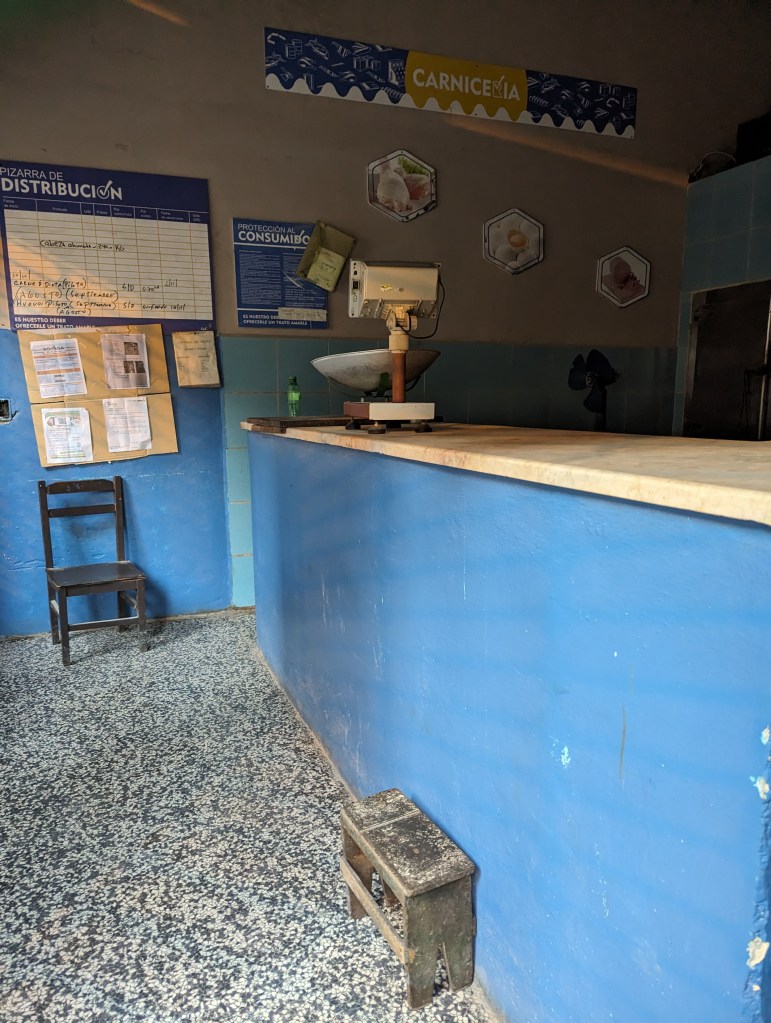
Bodegas – where locals shop with ration cards. These shops are government-subsidized and have very low prices — if they have anything at all. Shelves are often empty, and even with ration coupons, there’s no guarantee you’ll get what you’re “entitled” to. Staff usually sit scrolling on their phones, surrounded by emptiness.
“MLC” shops – just like in communist Poland PEWEX. Shelves are fuller, but prices are in U.S. dollars. You can pay with Visa, Mastercard, or a special government card. Locals earn in pesos and aren’t allowed to have foreign bank cards. To shop there, they must top up the government card in dollars — but since they can’t withdraw the money, they queue daily to pay in just enough for that day’s purchases. The problem? Where do they get dollars? Only from tourists. The black-market exchange rate thrives because of this.
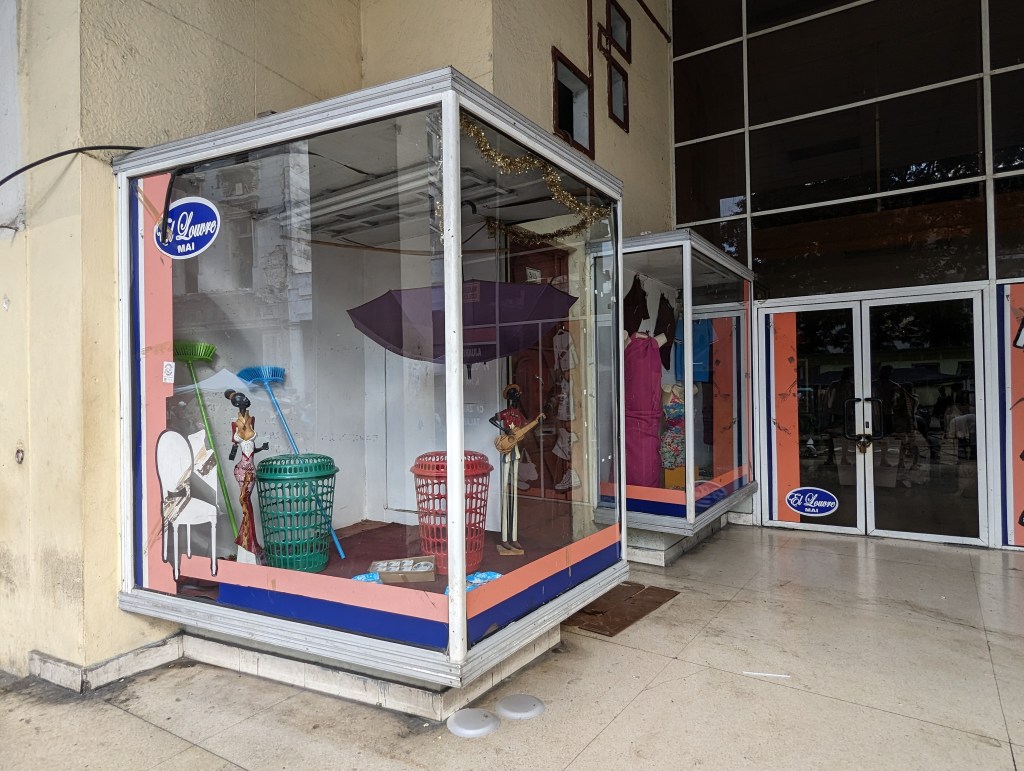
For context: a can of tuna costs $4, while a surgeon’s monthly salary is $25.
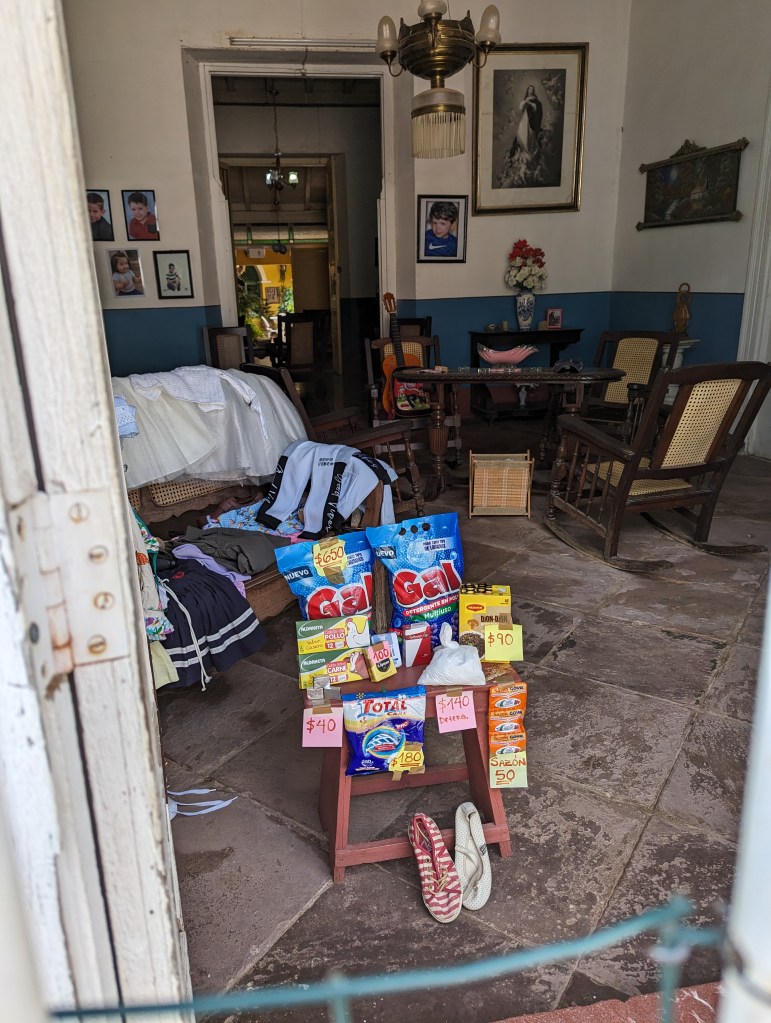
Private window shops – people who buy goods in Pewex shops and resell them from their homes for pesos (and a small profit). It’s technically illegal, but the government turns a blind eye — likely to avoid riots.
Our guide explained that when Castro and Che divided farmland after the revolution, new owners unknowingly signed contracts requiring them to give 80% of their crops to the state. Most couldn’t read. So now, people simply don’t farm — it’s pointless.
Housing is another disaster. Since Soviet support ended, the government hasn’t built new homes. Four generations often live together in crumbling flats. To create more space, people build mezzanines inside high-ceilinged colonial apartments, which frequently collapse. Just a week before we arrived, a building collapse killed twenty people.
And fishing? Also restricted. You’re allowed one fish per week; anything more must go to the state.
i won’t even mention corruption….
When Obama Came
Something curious happened when Obama visited Cuba. Until that point, private businesses were banned. During a meeting, a brave woman asked him — yes, him, the U.S. president — if Cubans could open private businesses. He said yes. And somehow, that changed everything. It’s still a mystery to me why an American president had the power to say that, but thank God he did. Now, those lucky or resourceful enough — often with help from relatives abroad — run small guesthouses or restaurants and earn in precious dollars.
Doctors are among the most educated people in Cuba, but hospitals lack medicine and equipment. Many doctors take foreign missions — and never return. Others risk their lives crossing the sea to the U.S.
When protests break out, the government cuts off the internet — that explained yesterday’s two-hour blackout. We also learned how Cubans use Airbnb despite the website being blocked: hosts rely on relatives abroad to receive payments.
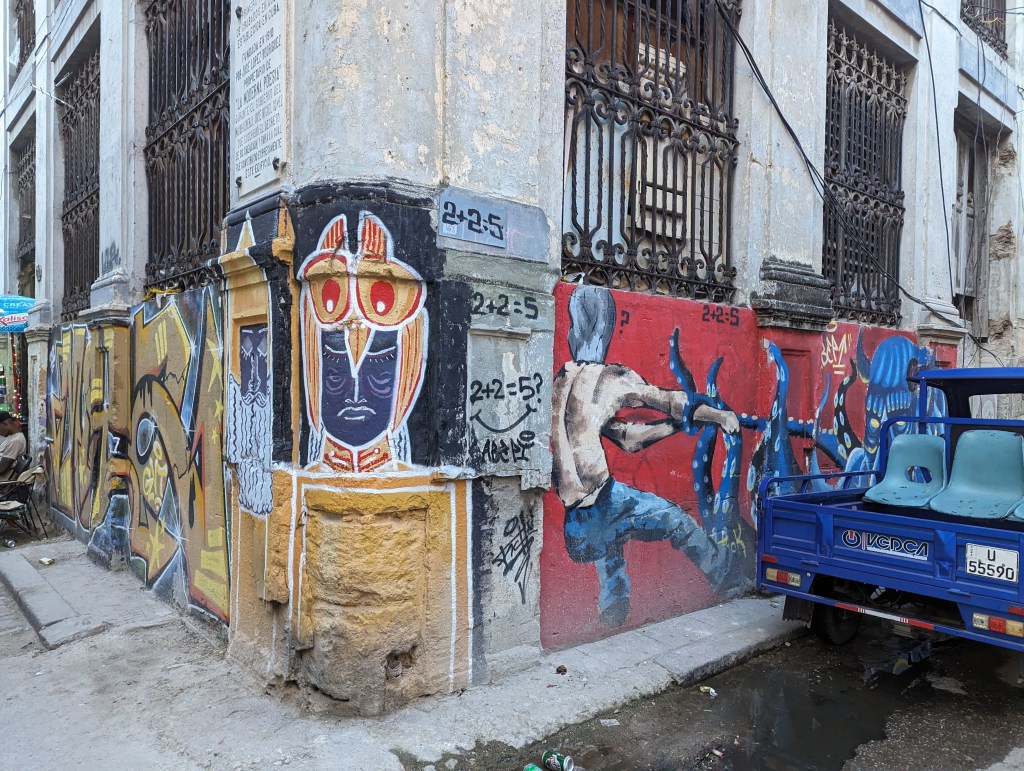
Our guide also showed us works by a local graffiti artist who uses street art as a silent protest against the grotesque reality of Cuban life. Every piece is signed “2 + 2 = 5”, a symbol of impossibility — the impossibility of living in Cuba. According to the government, of course, it means something else entirely.
The American
During the tour we also met a friendly American guy who had come to Cuba on a mission from his boxing club — to deliver money for a young, promising boxer they were sponsoring. He explained that what we’d seen the day before wasn’t just a random event but a national boxing competition, one of the most important sporting events of the year. Boxing, together with baseball, is Cuba’s national pride.
It was an incredibly educational, sobering, and eye-opening day. I will never ever complain about my life in Europe! To all you communists, sorry not for me…
We ended it with a walk along the ocean promenade and cocktails in a very elegant bar — a surreal contrast to everything we’d just learned.


Leave a Reply